Brewing · Volume 1
Vol 1 — History of Beer & Brewing
Beer is older than writing, older than the wheel, arguably older than bread in its modern form. It is one of humanity’s first manufactured foods, and the act of making it — converting grain to sugar, sugar to alcohol — is unchanged in principle from a Sumerian temple brewery to a modern garage. This volume traces that arc: where beer came from, how it spread, how science explained it, and how, in living memory, an act that had nearly been regulated out of the home kitchen became the worldwide hobby this book serves.
The rest of the series is practical — ingredients (Vol 2), process and science (Vol 3), styles (Vol 4), and the equipment ladder from a first extract batch to a licensed brewery (Vols 5–10). This volume is the “why.” Reading it is not required to brew good beer, but it makes the craft richer, and it explains why brewers do many of the things the later volumes will tell you to do.
1.1.1 Introduction: The Oldest Craft
Brewing requires only four things — grain, water, yeast, and (eventually) hops — and three of those occur together in nature. Leave crushed barley in water in a warm place and wild yeast will find it; within a day you have something fermenting. The discovery of beer almost certainly happened many times, independently, wherever humans stored grain and it got wet.
What makes beer historically pivotal is not the accident of fermentation but what people did with it. Beer was nutritious (B-vitamins, calories), safer than much available water (the boil and the alcohol both help), storable, and mildly intoxicating. Some archaeologists argue that the desire for beer, as much as bread, drove the Neolithic shift from foraging to grain agriculture — the “beer before bread” hypothesis. Whether or not beer caused settled agriculture, the two grew up together: where there was stored grain, there was beer.
This volume follows beer chronologically, but two threads run through the whole book and first appear here:
- Process and sanitation define the result. Every era that made better beer did so by controlling the process more tightly — temperature, cleanliness, and (eventually) the organism doing the work.
- Beer’s legal status has swung wildly. It has been temple-rationed, tax-regulated, prohibited outright, and — for the home brewer in the United States — illegal by accident until 1978. The legal thread matters because it is the opposite of distilling’s: as Vols 5–10 will stress, home brewing is federally legal in the US, while home distilling is not.
1.1.2 The Ancient World: Sumeria and Egypt
The earliest chemical evidence of intentional brewing comes from the Near East, with residues dating back roughly 5,000–7,000 years, and some contested evidence (Raqefet Cave, Israel) pushing fermented-grain beverages back ~13,000 years.
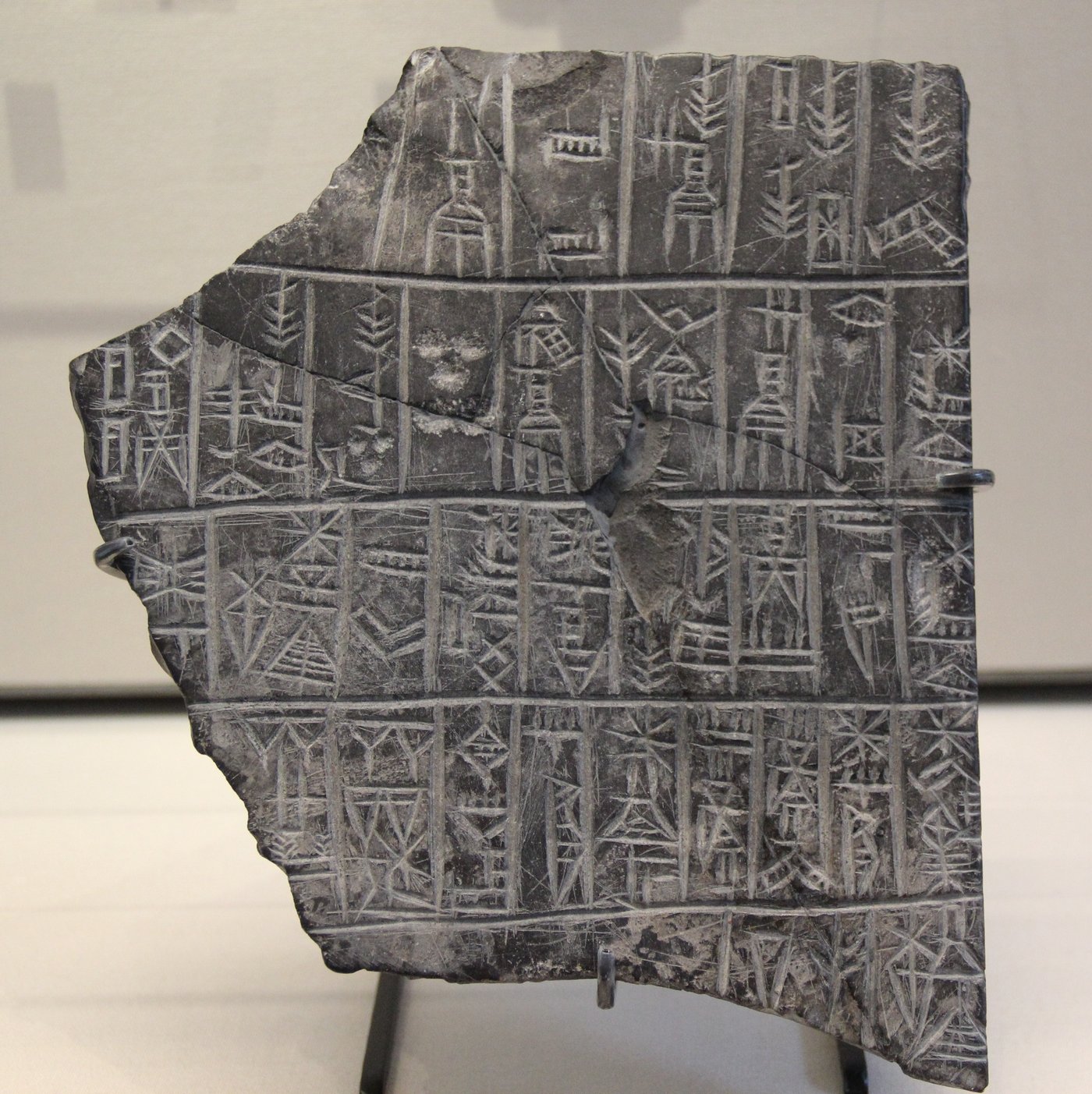
It is Sumer — Mesopotamia, modern Iraq — that gives us beer’s first written culture. Beer was a dietary staple drunk by everyone from laborers to priests, often through a straw to get past the floating grain and chaff. It was issued as a daily ration and functioned as a unit of wages. Around 1800 BCE a Sumerian scribe recorded the Hymn to Ninkasi, a song of praise to the goddess of beer that doubles as a brewing recipe: it describes baking bappir (a twice-baked barley bread), mixing it with sweeteners and water, and letting it ferment in vats. In a largely illiterate society, a memorable song was the recipe — the knowledge survived because it could be sung.
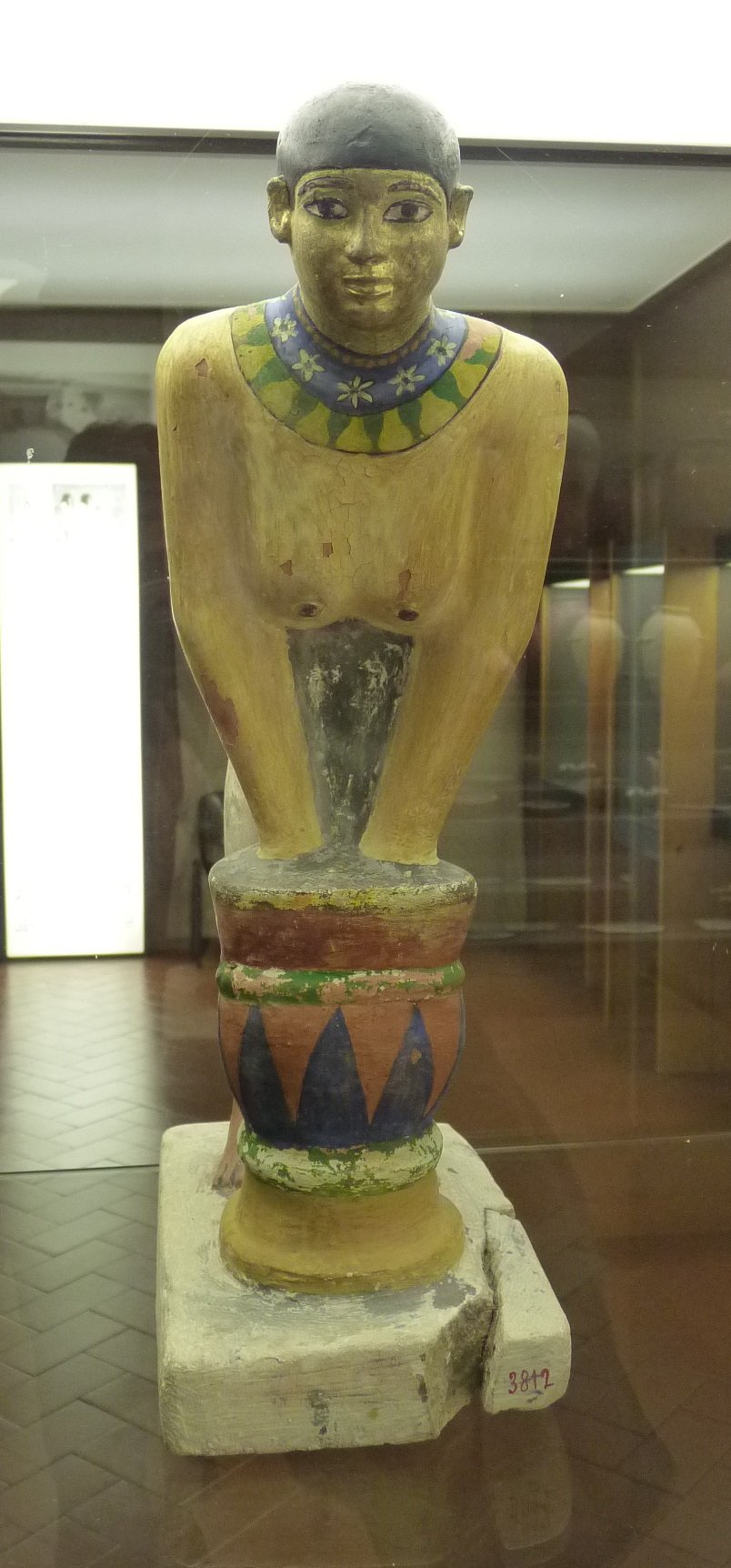
In Egypt, beer (heqet) was equally fundamental. It was brewed from a kind of lightly-baked barley or emmer-wheat bread crumbled into water and fermented — “bread-beer” — and consumed by every class, including children, as food as much as drink. Beer was a wage for the laborers who built the pyramids (a daily allotment of bread and beer is well documented), an offering to the gods, and a medicine in surviving prescriptions. Large-scale breweries existed remarkably early: excavations at Abydos uncovered an industrial brewery capable of producing thousands of liters, dating to around 3100 BCE.
1.1.3 Antiquity and the Classical World
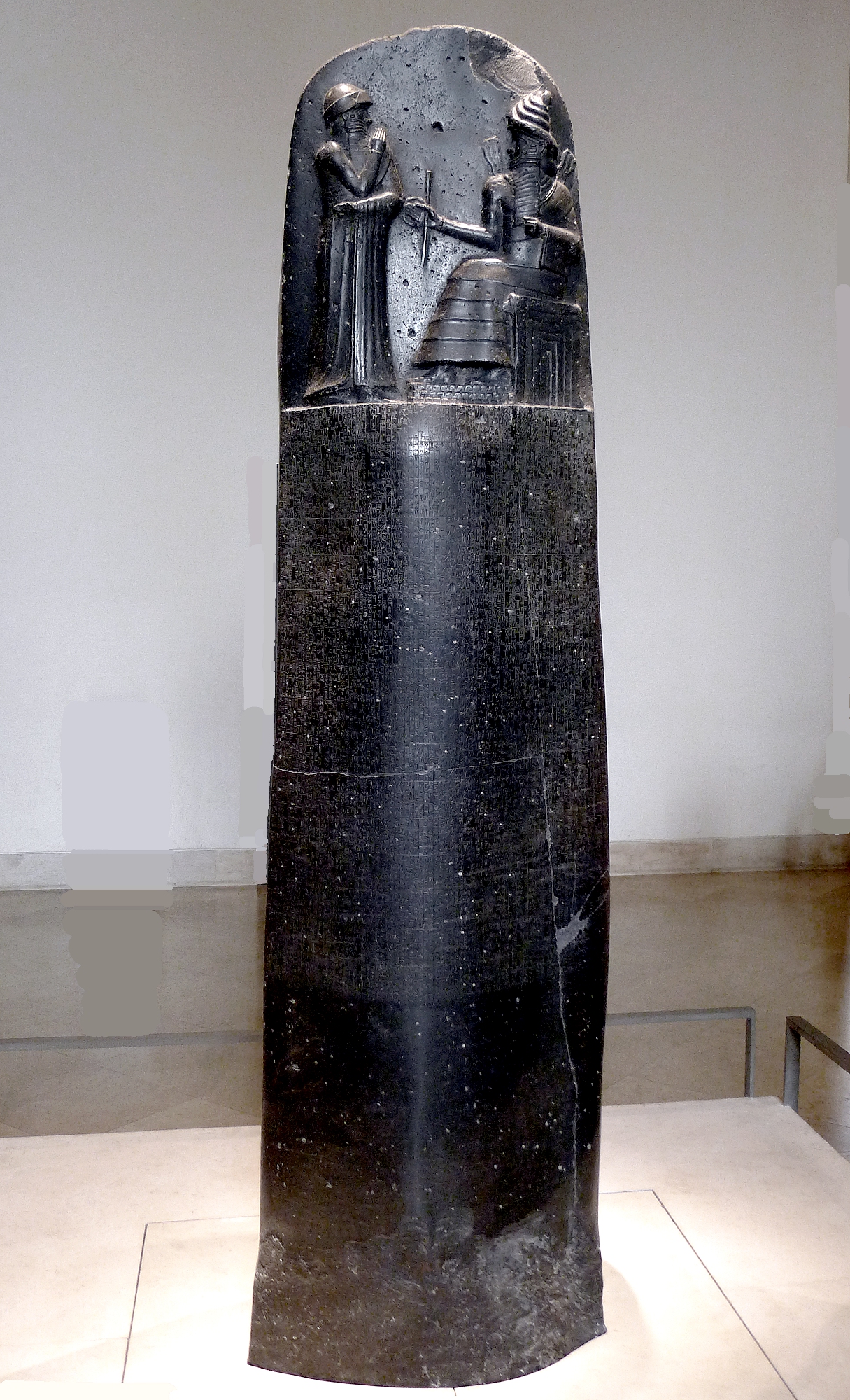
As organized states grew, so did beer regulation. The Code of Hammurabi (c. 1754 BCE, Babylon) contains some of the earliest beer law: provisions governing the tavern-keepers (often women) who sold beer, fixing fair prices in grain, and prescribing harsh penalties for fraud — a tavern-keeper who overcharged or watered the beer could be punished severely. Beer here is already a regulated economic commodity, not just a household drink.
The Greeks and Romans, by contrast, were wine cultures. They knew beer — and brewed it at the fringes — but regarded it as the drink of “barbarians”: Egyptians, Germanic and Celtic tribes, Thracians. This cultural split between a Mediterranean wine zone and a northern beer zone persisted for millennia and still echoes in European drinking culture. Where Rome’s vines would not grow — Britain, the Low Countries, the Germanic north — beer remained the everyday drink, and it is from that northern world that the modern brewing tradition descends.
1.1.4 Medieval Europe and Monastic Brewing
After Rome, brewing in northern Europe carried on in two settings: the home and the monastery.
Domestic brewing was women’s work. The “alewife” or “brewster” brewed for her household and sold the surplus, marking her house with an ale-stake or broom when a fresh batch was ready — an ancestor of the pub sign. Beer was weak (“small beer”) for daily drinking, including by children, precisely because it was safer than much water and provided calories.
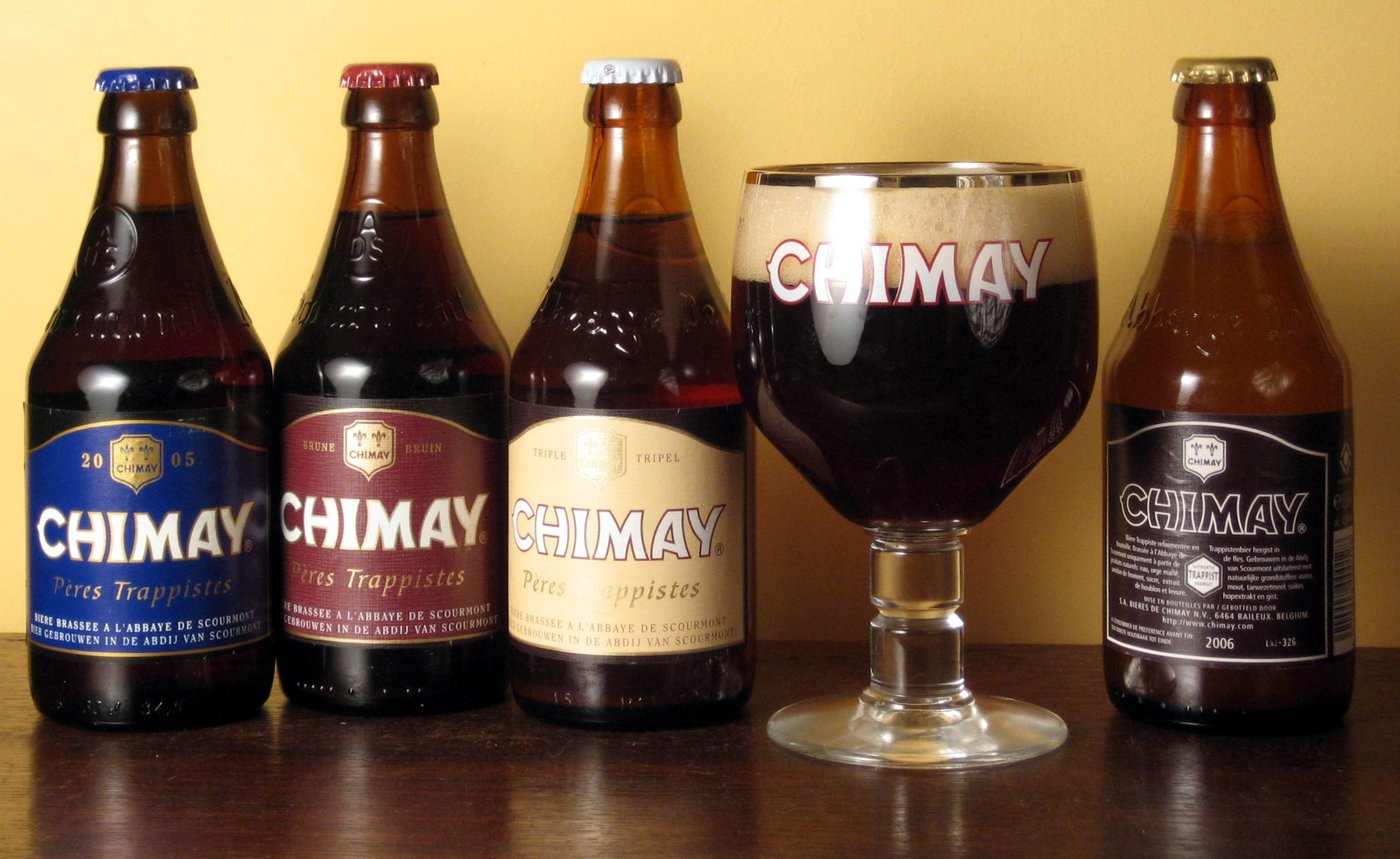
The monasteries were the era’s centers of organized, larger-scale, higher-quality brewing. Monks brewed for their own sustenance (especially as a permitted source of nutrition during fasts — “liquid bread”), for guests and pilgrims, and for sale. The famous Plan of St. Gall (c. 820 CE) depicts a monastery with multiple breweries. Monastic discipline meant records, repeatable methods, and cleaner facilities — an early version of the process-control thread. The Trappist brewing tradition that survives today is the direct descendant of this monastic brewing.
The defining flavoring of this period was gruit — a proprietary blend of herbs (commonly bog myrtle, yarrow, and wild rosemary) used to season and help preserve ale. Gruit was often a taxed local monopoly, controlled by a lord or church (the Grutrecht). The story of who controlled the bittering of beer — gruit-mongers versus, soon, hop growers — is partly a story about taxes and power, which sets up the next turning point.
1.1.5 The Hops Revolution
The single most important change in beer’s character before modern science was the adoption of hops (Humulus lupulus). Hops do two things gruit could not do as well: they impart a clean bitterness that balances malt sweetness, and — crucially — their resins and oils are antimicrobial and preservative, letting beer keep longer and travel farther.
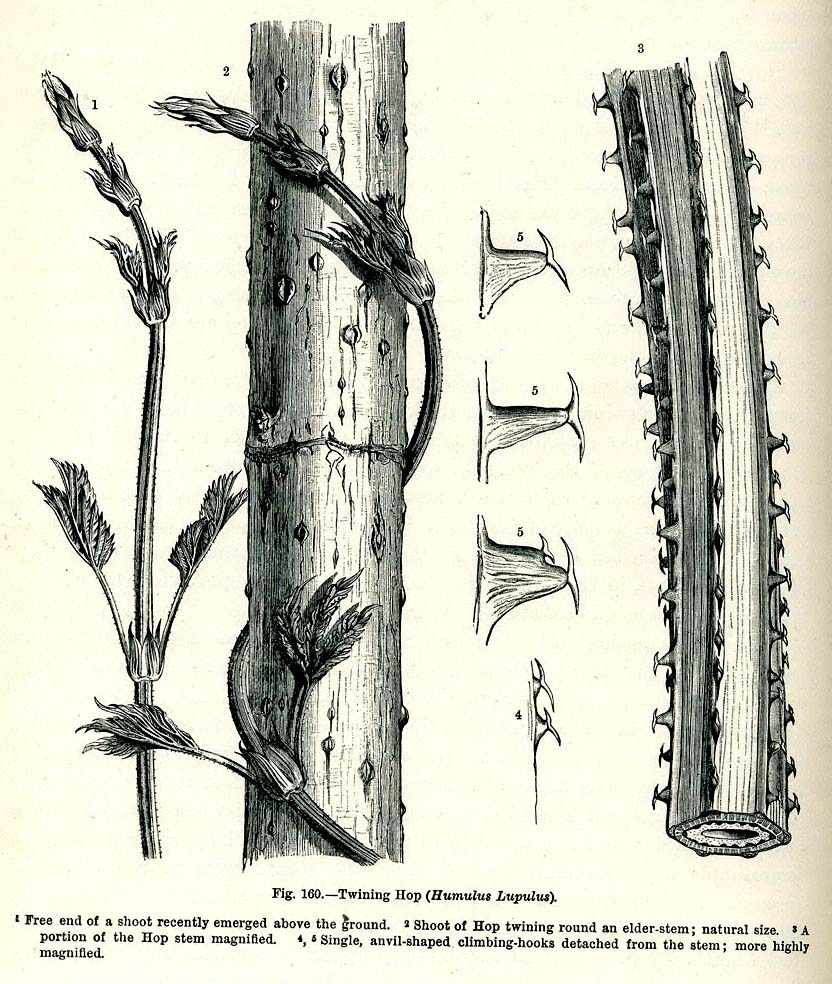
Hopped beer spread from the German-speaking lands and the Low Countries from roughly the 12th–14th centuries. In England the change was contentious enough to produce a vocabulary still half-remembered today: “ale” meant the traditional unhopped (gruit) drink, while “beer” meant the new hopped version arriving from the Continent. For a time hops were viewed with suspicion and even banned in some places, partly at the urging of gruit-tax interests. The preservative power of hops won out: it enabled brewing at larger scale, longer storage, and export trade.
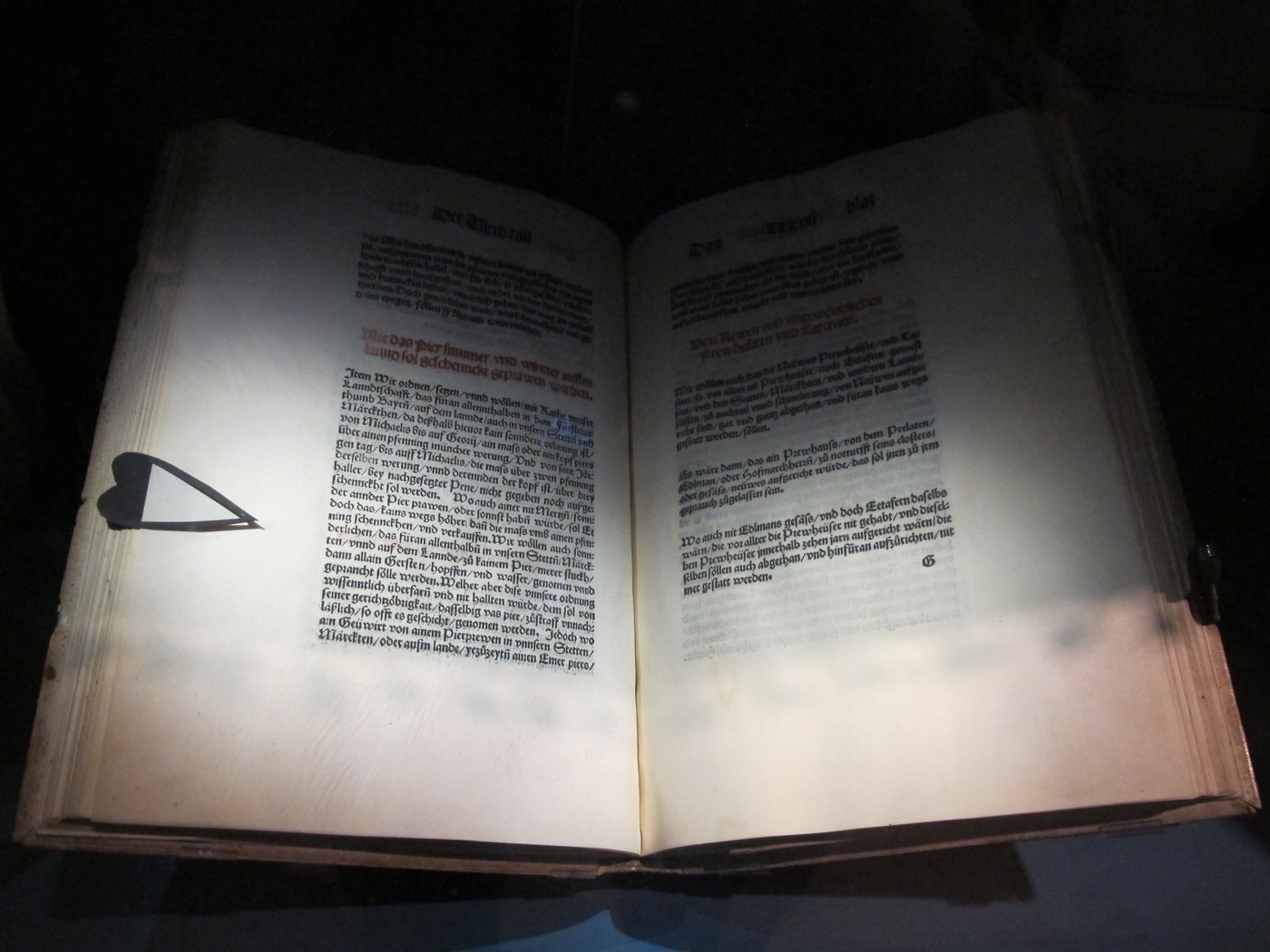
The era’s most famous beer law codified the new norm. The Bavarian Reinheitsgebot (RINE-hites-guh-boht · /ˈraɪ̯nhaɪ̯tsɡəˌboːt/) (“purity order”) of 1516 decreed that beer could be made only from water, barley, and hops. Yeast is absent from the list — not because it was excluded, but because no one yet knew it existed; brewers relied on saved sediment or wild fermentation without understanding the organism. The Reinheitsgebot was as much an economic measure (reserving wheat and rye for bakers, fixing prices) as a quality one, but it cemented hops as the defining beer flavoring and remains a powerful marketing idea five centuries later.
1.1.6 Lager and Industrialization
Two revolutions — one craft, one scientific — transformed beer in the 18th and 19th centuries.
The craft revolution was lager. Bavarian brewers had long stored (“lagern” = to store) beer in cold caves over the winter, packed with ice. Over time this cold storage selected for a different yeast that worked slowly at cold temperatures and settled to the bottom — what is now called bottom-fermenting lager yeast. The result was a cleaner, crisper, more stable beer than the warm-fermented ales of the rest of Europe. In 1842, in the Bohemian town of Pilsen, a brewery hired the Bavarian brewer Josef Groll, who combined this cold lagering with very pale malt and soft local water to produce the first pale lager — golden, clear, and brilliant in the newly affordable clear glassware of the age. Pilsner became the most influential beer style in history; the great majority of beer brewed worldwide today is its descendant.
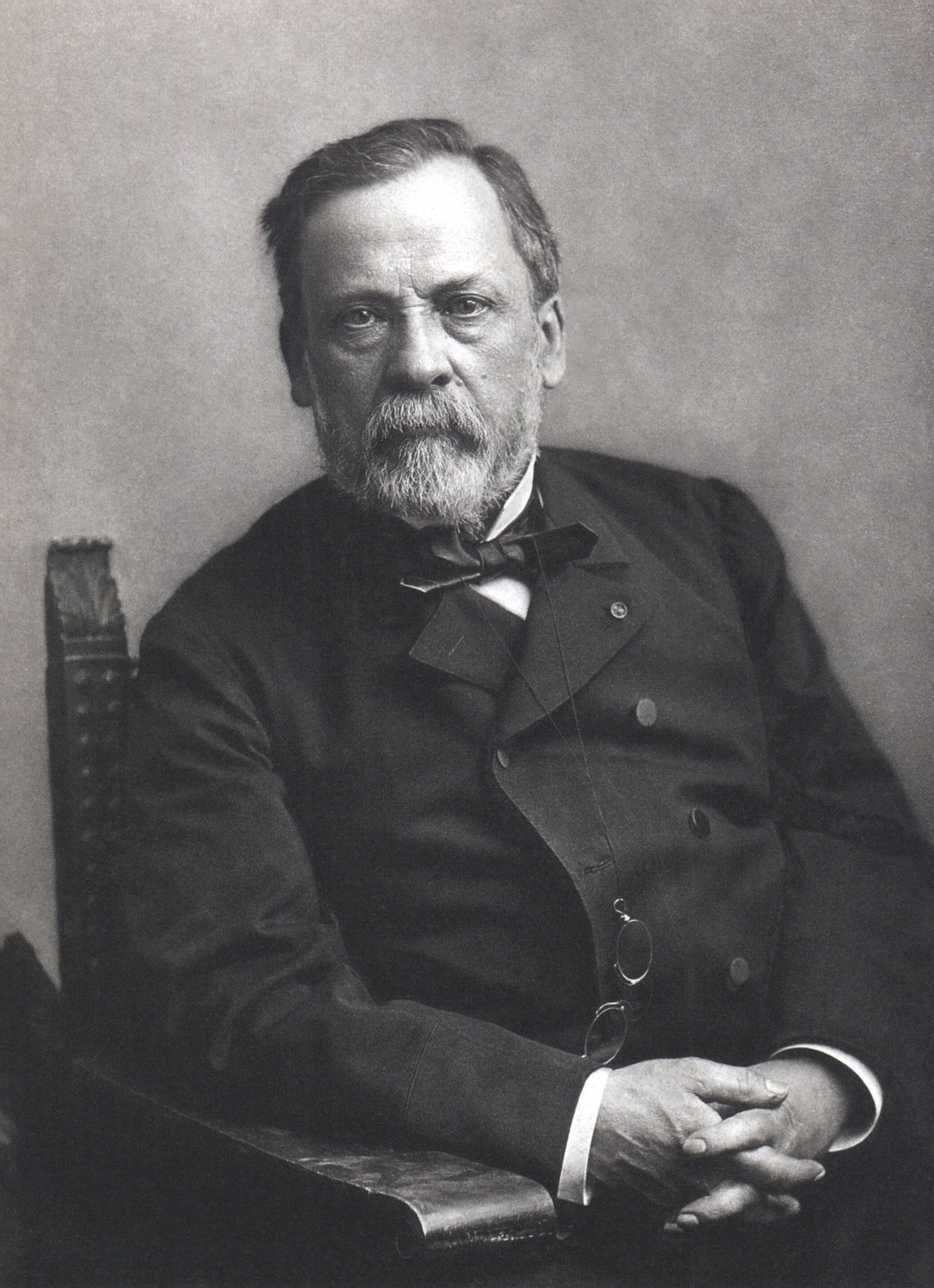
The scientific revolution was the understanding of yeast. For all of beer’s history brewers had managed fermentation without knowing what caused it. In the 1850s–1870s Louis Pasteur demonstrated that fermentation is the work of living microorganisms — yeast — and that spoilage came from competing microbes, publishing Études sur la bière (“Studies on Beer”) in 1876. His work also gave the world pasteurization. Then in 1883, Emil Christian Hansen at the Carlsberg laboratory in Copenhagen developed a method to isolate and propagate a single pure strain of yeast, eliminating the wild-organism lottery. Together with mechanical refrigeration (Carl von Linde, 1870s), which freed lager brewing from caves and winter ice, these advances turned brewing from a seasonal craft into a controllable, year-round industry. This is the process-control thread reaching its scientific climax: once you can choose your organism, control your temperature, and kill your contaminants, you can make the same good beer every time.
1.1.7 Beer Comes to America
English colonists brought ale-brewing to North America from the first settlements (beer supplies famously influenced where the Mayflower passengers landed). For two centuries American beer was broadly English in character: warm-fermented ales and porters.
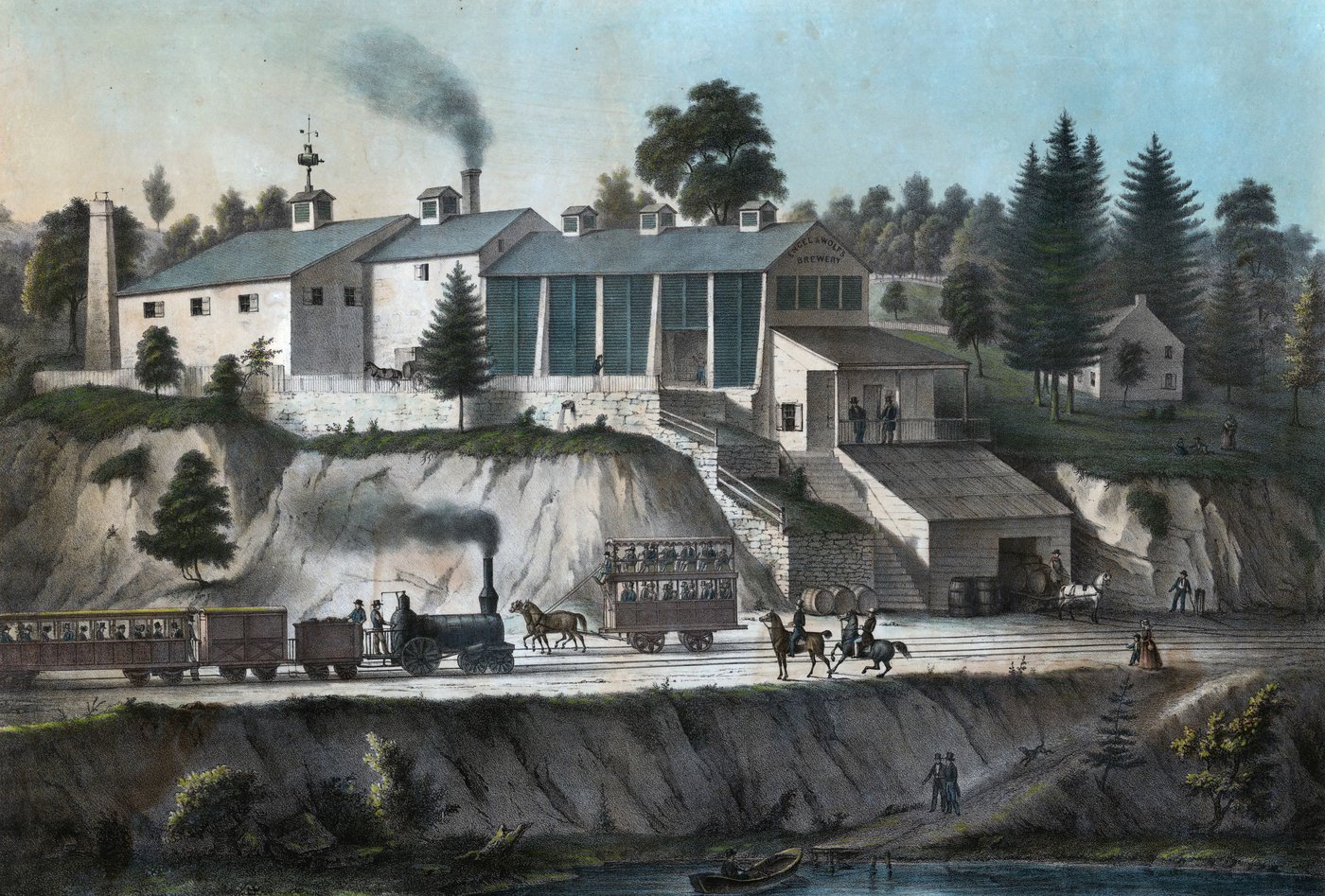
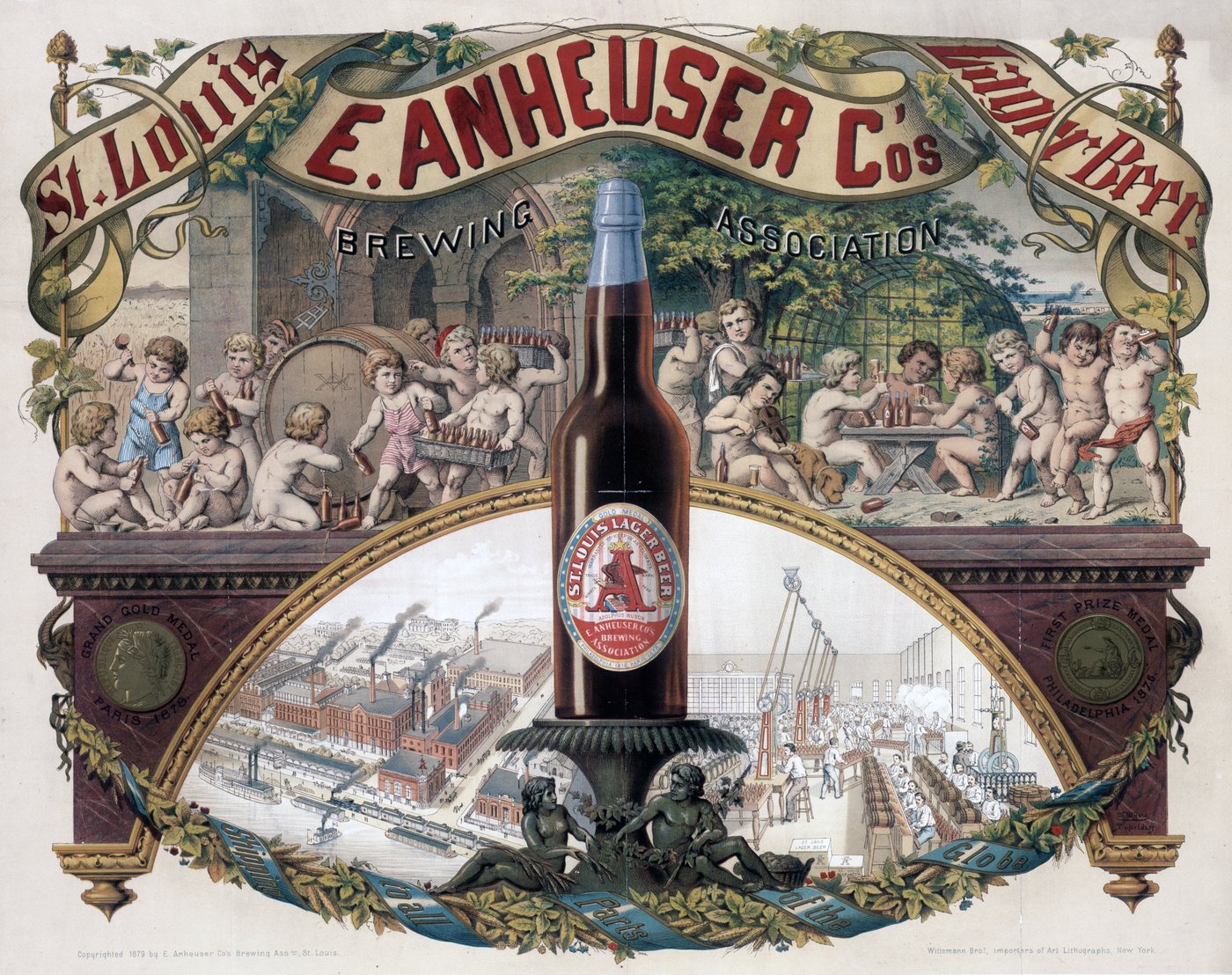
The transformation came with German immigration in the mid-19th century. German brewers brought lager yeast and lager methods, and American drinkers embraced the new pale, refreshing beer. Between roughly 1840 and 1900 lager swept the country and the great American brewing dynasties were founded — Pabst, Schlitz, Miller, and Anheuser-Busch among them. By the late 19th century the United States had thousands of breweries, most of them local, lager-focused, and increasingly industrial — riding railroads, refrigeration, and (after Pasteur) pasteurized bottled beer to regional and national distribution.
1.1.8 Prohibition and the Macro Era
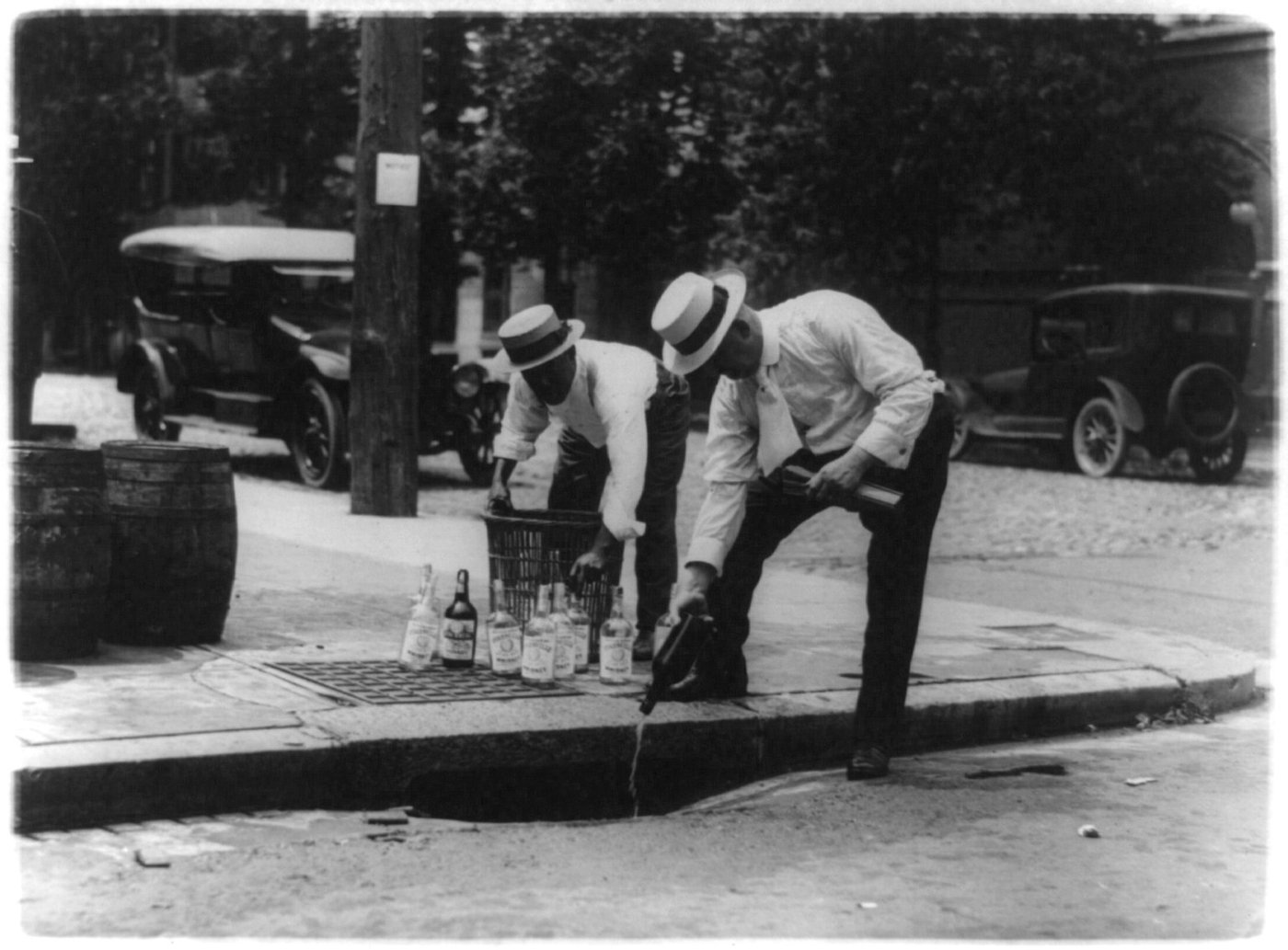
In 1920 the 18th Amendment and the Volstead Act made the manufacture and sale of alcoholic beverages illegal in the United States. Prohibition devastated brewing. Some breweries closed; the survivors pivoted to legal products — “near beer” (under 0.5% ABV), malt syrup (sold for “baking,” winked at as a brewing ingredient), soft drinks, ice cream, and cheese. Thirteen years of lost expertise, lost brands, and lost drinking culture followed.
Repeal came with the 21st Amendment in 1933, but the brewing landscape that re-emerged was impoverished. Only the better-capitalized brewers had survived, and the postwar decades saw relentless consolidation: hundreds of regional brewers were absorbed or driven out, and the survivors converged on a single, mild, pale, highly-carbonated, adjunct (corn/rice) light lager optimized for mass production and mass taste. By the 1970s the United States — a country that had once had thousands of breweries making many styles — was down to a few dozen brewing companies making, in effect, one style of beer. This is the low point against which the craft revolution would react.
1.1.9 Homebrew Legalization and the Craft Revolution
Two things reignited beer diversity in America: a legal fix and a cultural rebellion.
The legal fix corrected a 55-year-old accident. When Prohibition was repealed in 1933, the enabling legislation legalized home production of wine but, through a drafting omission, failed to do the same for beer — leaving home brewing technically illegal at the federal level for decades. In 1978, Congress passed H.R. 1337, which President Jimmy Carter signed; effective February 1, 1979, it legalized the home production of beer (and exempted it from federal excise tax) up to 100 gallons per adult per year, or 200 gallons per household with two or more adults. At a stroke, the modern American homebrewing hobby was made legal. (This is the legal contrast this book returns to repeatedly: brewing got its exemption; distilling never did.)
The cultural rebellion was already underway. In 1965, Fritz Maytag rescued the failing Anchor Brewing in San Francisco and revived traditional styles. In 1976, Jack McAuliffe founded New Albion in California — the first new American microbrewery from scratch, a direct inspiration even though it didn’t survive. In 1980, Ken Grossman started Sierra Nevada, whose Pale Ale became a defining American craft beer and showcased bold American hops. Boston Beer Company (Samuel Adams) followed in 1984. Homebrewers — now legal — became the talent pipeline: a remarkable share of craft brewery founders started at the kitchen stove.
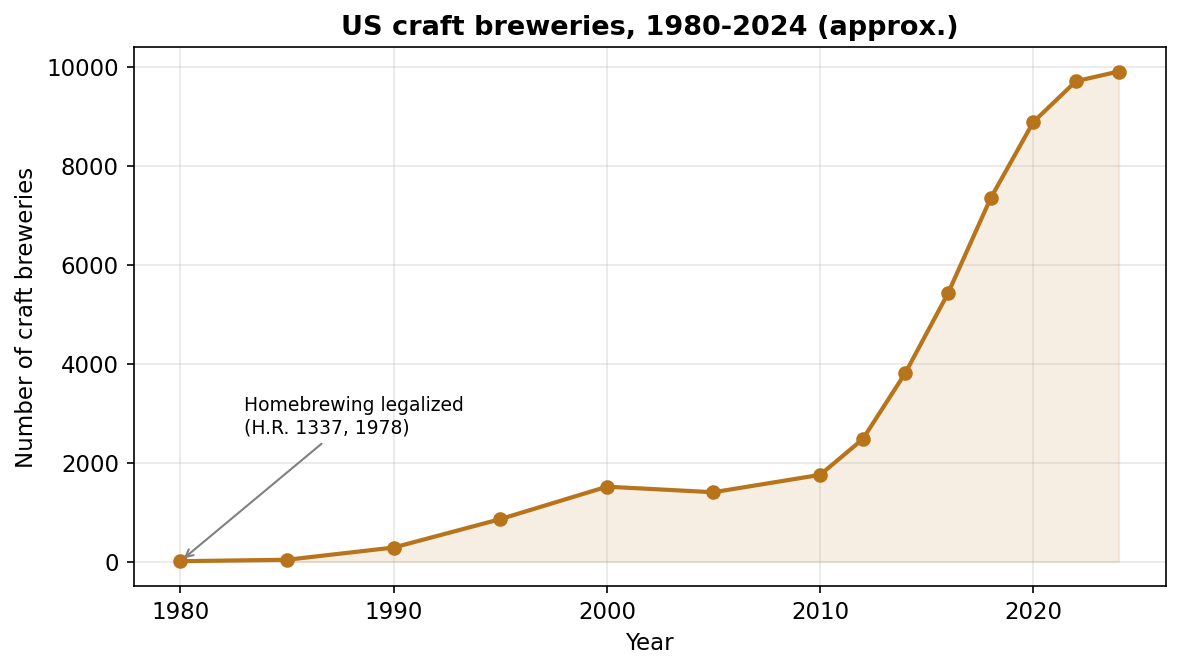
From a few dozen breweries in the late 1970s, the United States grew to over 9,000 breweries by the early 2020s — more than at any point in its history, including the pre-Prohibition peak. The styles of every era and region — English bitters, German lagers, Belgian ales, revived historical and wholly new styles like the hazy IPA — became available again, and brewers began inventing freely.
1.1.10 Today’s Landscape
Modern beer culture is the richest it has ever been. The same forces that built it continue:
- Homebrewing is mainstream and legal, supported by an industry of ingredient suppliers, equipment vendors (the subject of Vols 5–10), clubs, competitions, and the BJCP style framework (Vol 4).
- Craft brewing remains a pipeline from the hobby: many professional brewers and brewery founders began as home brewers, and Vol 10 traces that hobby-to-commercial path explicitly.
- The science is settled and democratized: pure yeast cultures, pH meters, and temperature control that only 19th-century industrial brewers could dream of are now standard hobbyist tools.
What has not changed is the craft itself. The Sumerian brewer mashing bappir, the Bavarian monk lagering in a cave, and a modern hobbyist with an electric all-in-one system are all doing the same thing: coaxing enzymes to turn starch into sugar, then yeast to turn sugar into alcohol and flavor, as cleanly and repeatably as their tools allow. The rest of this series is about doing it well.
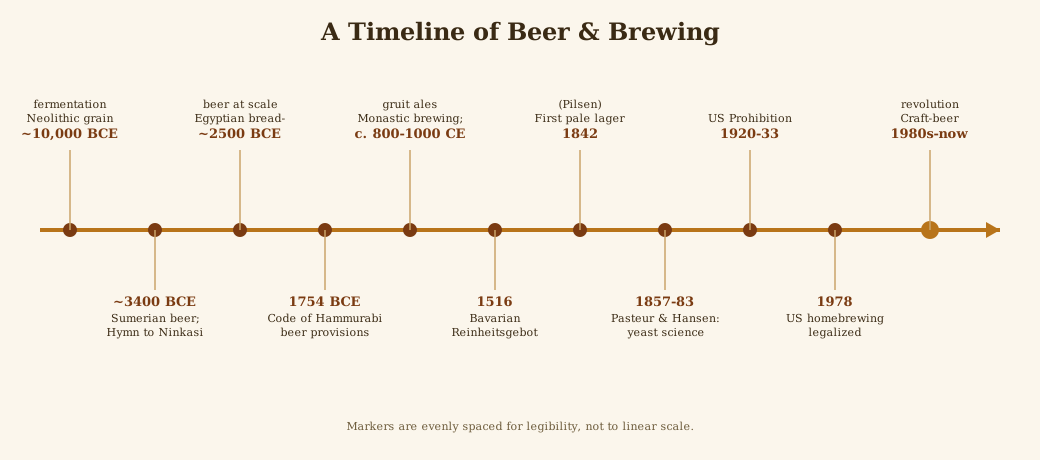
1.1.11 Summary
Table 1 — 1.11 Summary
| Era | Approx. date | Key development |
|---|---|---|
| Neolithic | ~10,000 BCE | Fermentation of stored grain; grain agriculture and beer rise together |
| Sumer | ~3400–1800 BCE | Beer as staple/wage; Hymn to Ninkasi records a recipe |
| Egypt | ~3100–2500 BCE | ”Bread-beer” at industrial scale; beer as wages and offering |
| Babylon | 1754 BCE | Code of Hammurabi regulates beer sale and pricing |
| Classical | ~500 BCE–400 CE | Mediterranean wine vs. northern beer cultural divide |
| Medieval | ~800–1400 CE | Monastic and domestic brewing; gruit-flavored ale |
| Late medieval | 12th–16th c. | Hops adopted (bitterness + preservation); Reinheitsgebot (1516) |
| Industrial | 1842–1883 | Pale lager (Pilsen, 1842); Pasteur & Hansen explain/purify yeast; refrigeration |
| American lager | ~1840–1900 | German immigration; thousands of breweries; the macro dynasties founded |
| Prohibition | 1920–1933 | US brewing collapses; postwar consolidation to a single light-lager style |
| Revival | 1965–1980 | Anchor revived; New Albion; H.R. 1337 legalizes homebrewing (1978); Sierra Nevada |
| Craft era | 1980s–present | Brewery counts surpass the pre-Prohibition peak (~9,900 by 2024); full style diversity |
Cross-references: the ingredients introduced here (malt, hops, yeast, water) are detailed in Vol 2; the process the ancients performed by feel is explained in Vol 3; the styles that history produced are surveyed in Vol 4; and the homebrewing hobby that 1978 legalized is equipped, tier by tier, in Vols 5–10.
Comments (0)