Brewing · Volume 4
Vol 4 — Beer Styles
The four ingredients (Vol 2) and the process (Vol 3) can be arranged into a remarkable range of beers. Styles are the map of that range — the named, recognized targets that brewers aim for and judges evaluate against. This volume surveys the major style families, gives the vital statistics that define each, and then shows how to turn a style target into an actual recipe, completing the foundation before the equipment ladder (Vols 5–10).
This is a family-level survey: rather than catalog every one of the ~100+ individual styles in the BJCP guidelines, it groups them into ~15 families, gives representative numbers and examples for each, and points to which equipment tier suits brewing it. Treat the numbers as approximate guideline ranges, not laws — styles are targets, not cages, and the most exciting beers often live at the edges or between them.
4.1.1 How Styles Are Defined
A beer style is described by a handful of vital statistics plus a sensory description. The five numbers you will see throughout this volume:
- OG (original gravity) — pre-fermentation sugar; predicts strength and body. (Vol 3 §3.10)
- FG (final gravity) — residual sugar after fermentation; higher = sweeter/fuller.
- ABV (alcohol by volume) — strength.
- IBU (International Bitterness Units) — measured bitterness. (Vol 3 §3.5)
- SRM — color, pale (low) to black (high). (Vol 2 §2.2)
Most of the world’s styles can be plotted in the space of just two of these — gravity (strength) versus bitterness — with color as a third dimension:
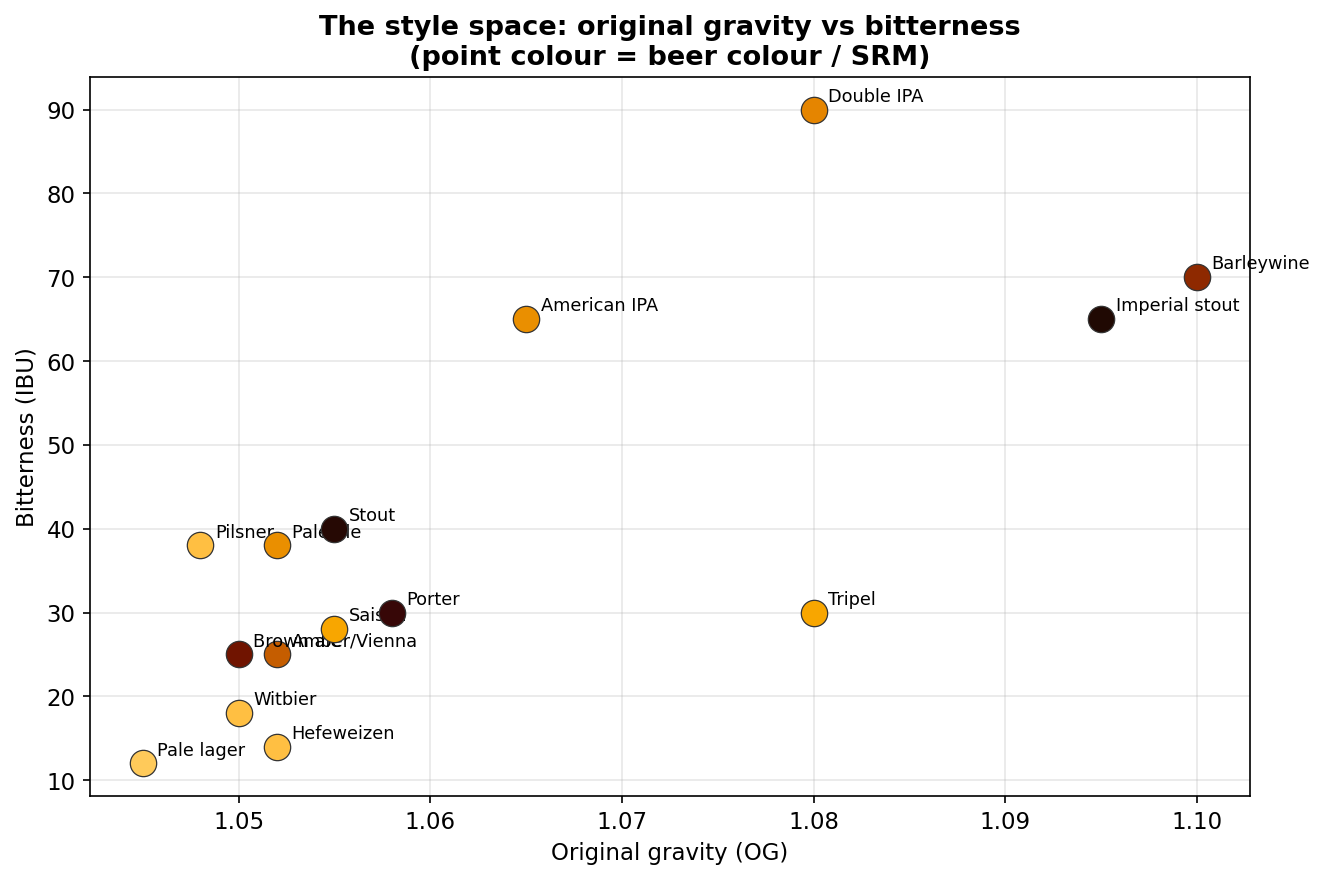

The BJCP (Beer Judge Certification Program) guidelines are the most widely used reference; commercial examples and competition categories follow them. The families below are organized roughly from pale-and-hoppy ales, through lagers, to wheat, Belgian, sour, and strong beers.
4.1.2 Pale Ales
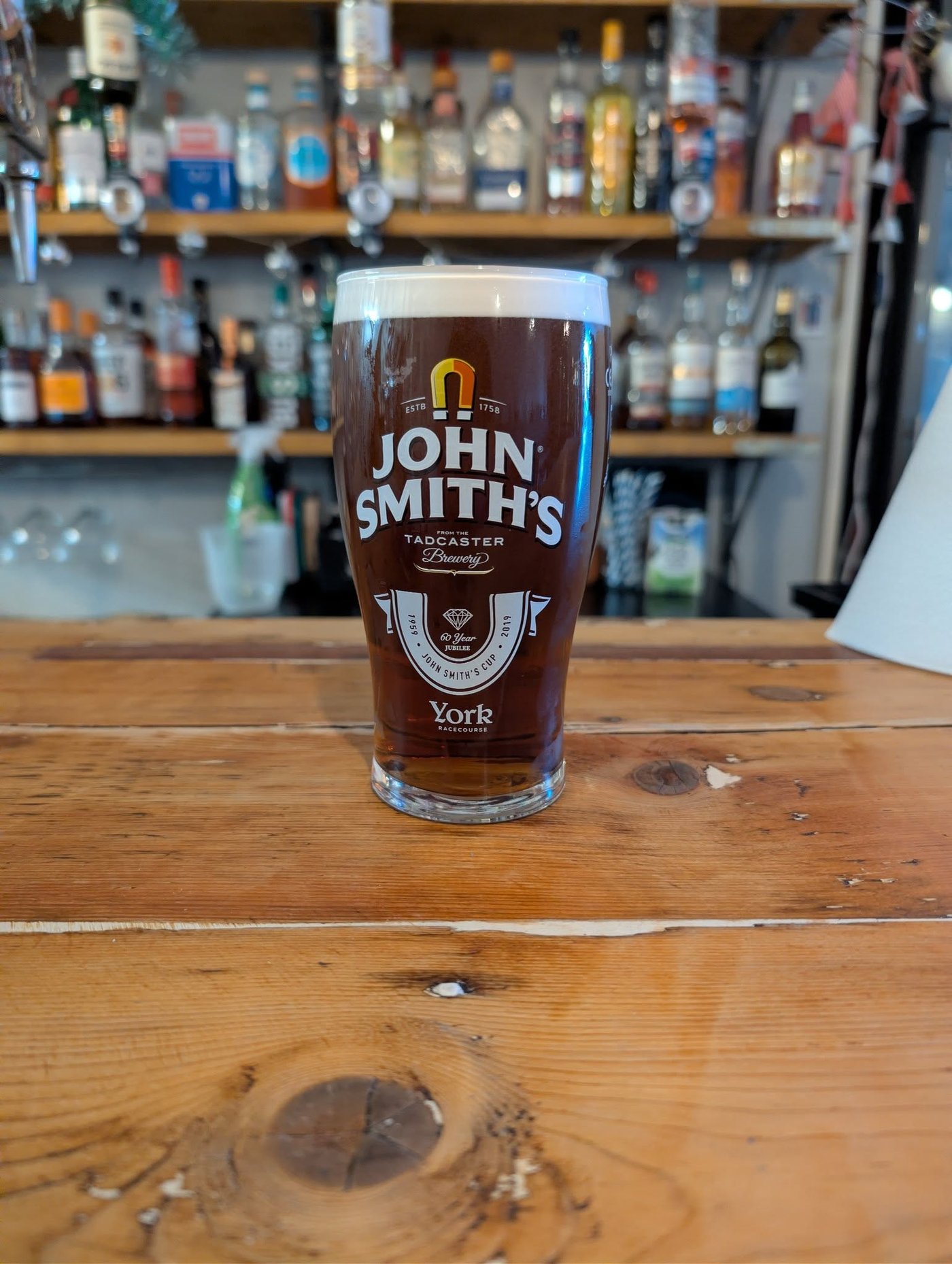
The pale ale family is where most new all-grain brewers begin: forgiving, hop-forward but balanced, and showcasing the interplay of malt and hops. English bitter / ESB is the malt-leaning, lower-carbonation British original; American pale ale (APA) is its citrus-hopped New World cousin — the style that launched American craft beer (Sierra Nevada Pale Ale).
Table 1 — 4.2 Pale Ales
| Style | OG | FG | IBU | SRM | ABV |
|---|---|---|---|---|---|
| English Bitter / ESB | 1.040–1.060 | 1.008–1.016 | 25–40 | 8–18 | 3.8–6.2% |
| American Pale Ale | 1.045–1.060 | 1.010–1.015 | 30–50 | 5–10 | 4.5–6.2% |
Brew it at: any tier — the APA is the canonical first all-grain beer (and the worked recipe in §4.12).
4.1.3 IPAs
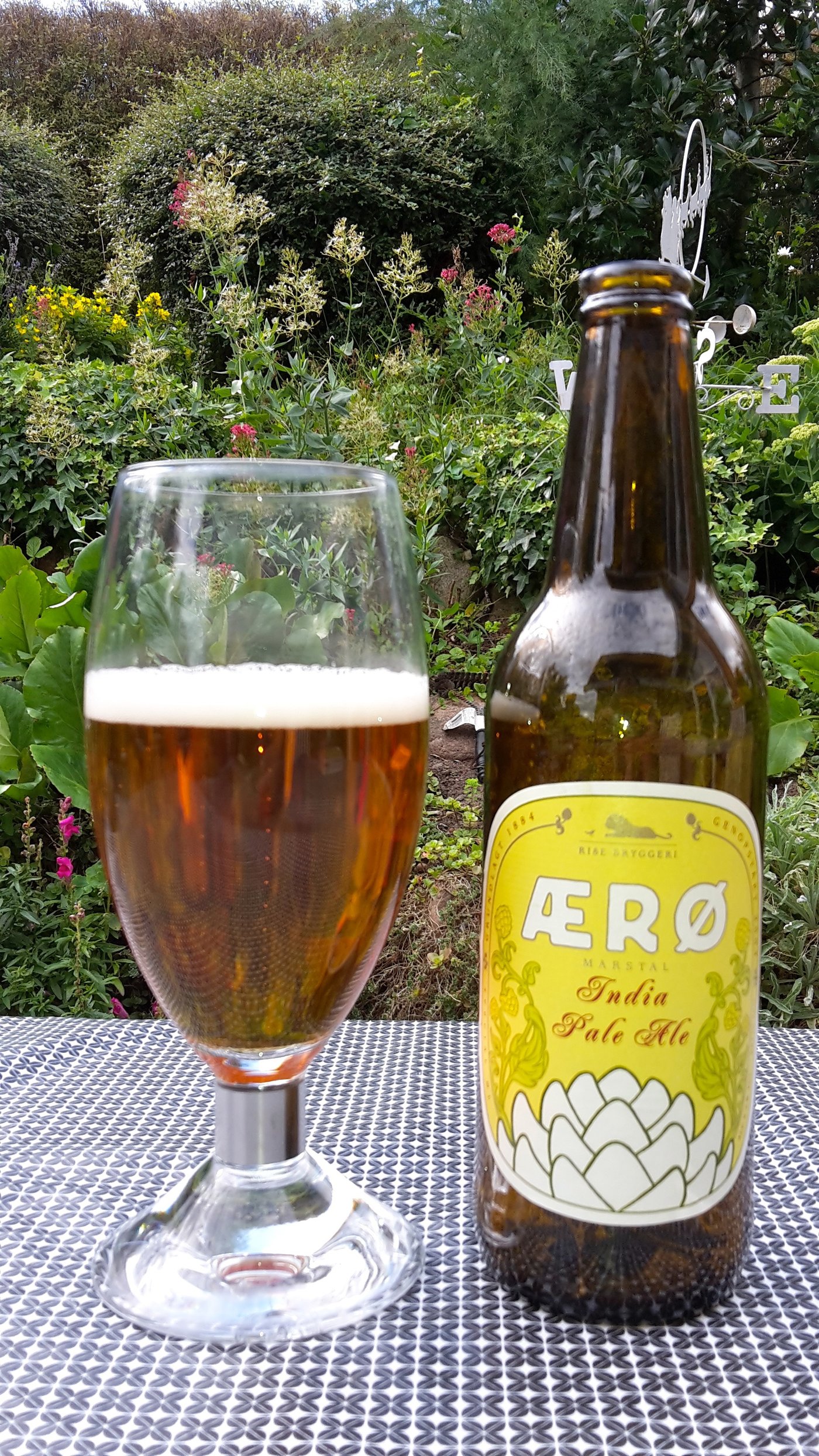
The India Pale Ale is the defining style of modern craft beer — hop-forward in bitterness, flavor, and aroma. The family has exploded into sub-styles: the balanced English IPA, the citrus/pine American IPA, the bigger Double/Imperial IPA, and the soft, juicy, intentionally cloudy New England / hazy IPA (low perceived bitterness, huge late-hop aroma, oats for body).
Table 2 — 4.3 IPAs
| Style | OG | FG | IBU | SRM | ABV |
|---|---|---|---|---|---|
| English IPA | 1.050–1.075 | 1.010–1.018 | 40–60 | 6–14 | 5.0–7.5% |
| American IPA | 1.056–1.070 | 1.008–1.014 | 40–70 | 6–14 | 5.5–7.5% |
| Double / Imperial IPA | 1.065–1.085 | 1.008–1.018 | 60–100+ | 6–14 | 7.5–10% |
| Hazy / New England IPA | 1.060–1.085 | 1.010–1.020 | 25–60 | 3–7 | 6.0–9.0% |
Brew it at: any tier; hazy IPAs reward fermentation-temperature control and oxygen-avoidance at packaging (Vols 3 §3.9, 9).
4.1.4 Amber and Brown Ales
Maltier, more balanced ales where caramel and toasty malt lead. American amber is a maltier, darker cousin of the APA; English brown and mild are gentle, sessionable, nutty-to-chocolatey British styles.
Table 3 — 4.4 Amber and Brown Ales
| Style | OG | FG | IBU | SRM | ABV |
|---|---|---|---|---|---|
| American Amber | 1.045–1.060 | 1.010–1.015 | 25–40 | 10–17 | 4.5–6.2% |
| English Brown Ale | 1.040–1.052 | 1.008–1.013 | 20–30 | 12–22 | 4.2–5.4% |
| Mild | 1.030–1.038 | 1.008–1.013 | 10–25 | 12–25 | 2.8–4.5% |
Brew it at: any tier — low-gravity milds are especially beginner-friendly and quick to drink.
4.1.5 Porters and Stouts
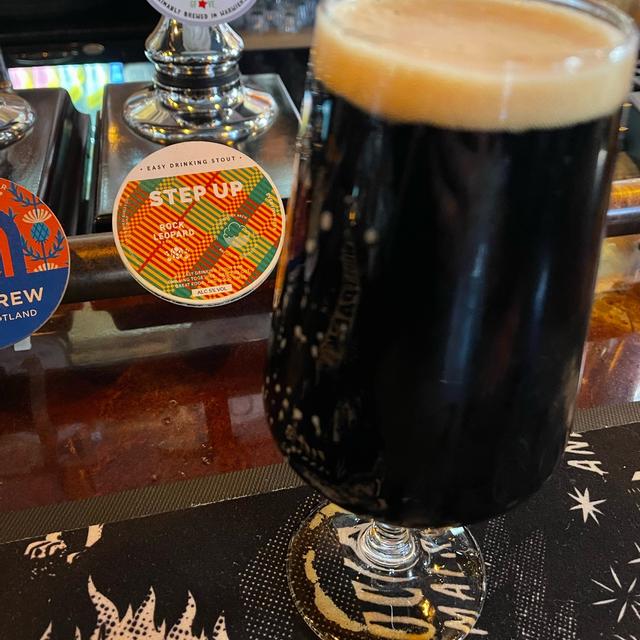
The dark, roasty family. Porter is the historic London dark ale; stout grew from it. Dry Irish stout (Guinness) gets its espresso bite from roasted barley; sweet and oatmeal stouts are fuller and smoother; imperial stout is a huge, intense, age-worthy version.
Table 4 — 4.5 Porters and Stouts
| Style | OG | FG | IBU | SRM | ABV |
|---|---|---|---|---|---|
| Porter | 1.040–1.065 | 1.008–1.016 | 18–50 | 22–40 | 4.0–6.5% |
| Dry (Irish) Stout | 1.036–1.050 | 1.007–1.011 | 25–45 | 25–40 | 4.0–5.0% |
| Sweet / Oatmeal Stout | 1.044–1.060 | 1.012–1.024 | 20–40 | 30–40 | 4.0–6.0% |
| Imperial Stout | 1.075–1.115 | 1.018–1.030 | 50–90 | 30–40 | 8.0–12% |
Brew it at: any tier; carbonate-rich water suits the roast (Vol 2 §2.5).
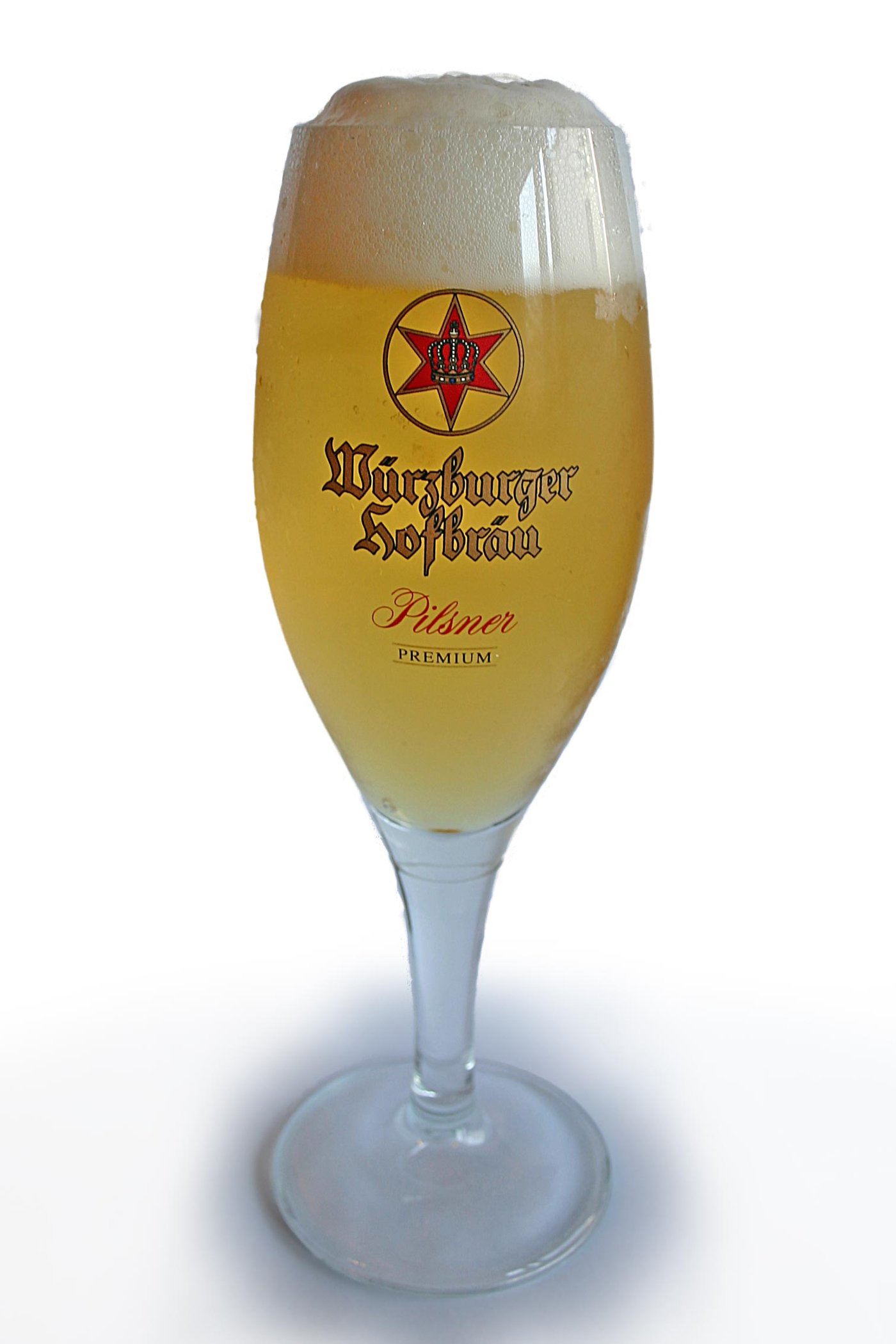
4.1.6 Pale Lagers and Pilsners
Cold-fermented, clean, crisp, and pale — the most-brewed beers on earth. The German Pils and Czech Premium Pale (Pilsner) are the hoppy, refined originals; Helles is the malt-leaning Bavarian everyday lager; American light lager is the ultra-light adjunct descendant (Vol 1 §1.7).
Table 5 — 4.6 Pale Lagers and Pilsners
| Style | OG | FG | IBU | SRM | ABV |
|---|---|---|---|---|---|
| German Pils | 1.044–1.050 | 1.008–1.013 | 22–40 | 2–5 | 4.4–5.2% |
| Czech Premium Pale | 1.044–1.060 | 1.013–1.017 | 30–45 | 3.5–6 | 4.2–5.8% |
| Munich Helles | 1.044–1.048 | 1.006–1.012 | 16–22 | 3–5 | 4.7–5.4% |
| American Light Lager | 1.040–1.050 | 1.004–1.010 | 8–18 | 2–4 | 4.2–5.3% |
Brew it at: Tier 2 and up — lagers need cold, controlled fermentation and lagering (Vol 3 §3.8); they expose every flaw, so they’re a rite of passage, not a first batch.
4.1.7 Amber and Dark Lagers
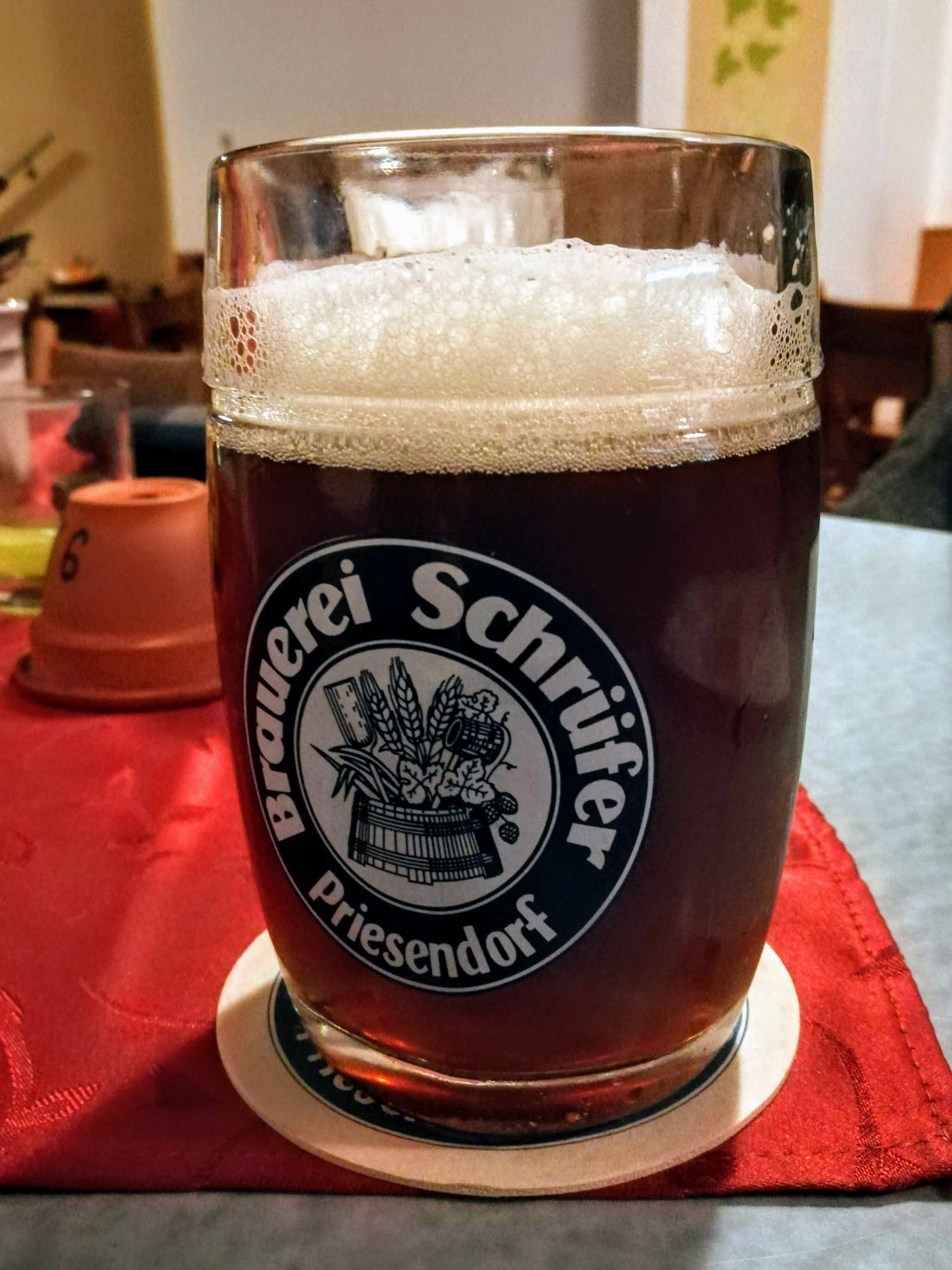
Lager’s maltier, darker side. Vienna and Märzen/Oktoberfest are toasty amber lagers; Munich Dunkel and Schwarzbier are smooth dark lagers (the latter surprisingly light-bodied for its color); Bock and Doppelbock are strong, malty showpieces.
Table 6 — 4.7 Amber and Dark Lagers
| Style | OG | FG | IBU | SRM | ABV |
|---|---|---|---|---|---|
| Vienna Lager | 1.048–1.055 | 1.010–1.014 | 18–30 | 9–15 | 4.7–5.5% |
| Märzen / Oktoberfest | 1.054–1.060 | 1.010–1.014 | 18–24 | 8–17 | 5.6–6.3% |
| Munich Dunkel | 1.048–1.056 | 1.010–1.016 | 18–28 | 14–28 | 4.5–5.6% |
| Schwarzbier | 1.046–1.052 | 1.010–1.016 | 20–32 | 17–30 | 4.4–5.4% |
| Bock / Doppelbock | 1.064–1.112 | 1.013–1.027 | 16–27 | 14–25 | 6.3–10% |
Brew it at: Tier 2 and up (lager temperature control).
4.1.8 Wheat Beers
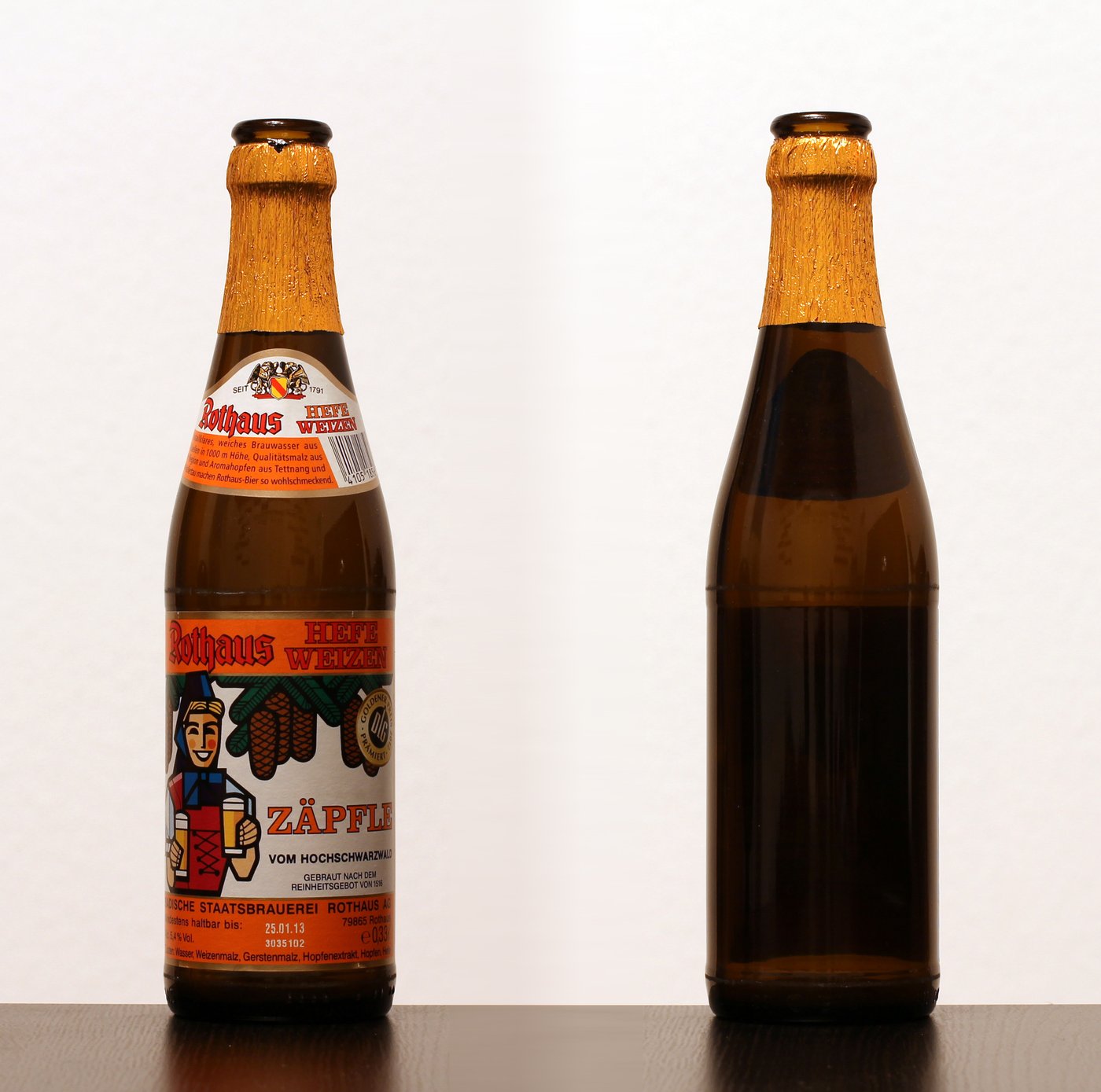
Brewed with a large proportion of wheat for a soft body, hazy appearance, and lively carbonation. The German Hefeweizen is famous for its yeast-driven banana-and-clove character; the Belgian Witbier is spiced with coriander and orange peel; American wheat is a cleaner, hoppier take.
Table 7 — 4.8 Wheat Beers
| Style | OG | FG | IBU | SRM | ABV |
|---|---|---|---|---|---|
| German Hefeweizen | 1.044–1.052 | 1.008–1.014 | 8–15 | 2–6 | 4.3–5.6% |
| Belgian Witbier | 1.044–1.052 | 1.008–1.012 | 8–20 | 2–4 | 4.5–5.5% |
| American Wheat | 1.040–1.055 | 1.008–1.015 | 15–30 | 3–6 | 4.0–5.5% |
Brew it at: any tier; Hefeweizen flavor is almost entirely a fermentation-temperature and yeast story (Vol 2 §2.4) — a great lesson in how much the yeast matters.
4.1.9 Belgian and French Ales
A tradition that prizes expressive, often spicy/fruity yeast character and high attenuation (dry finishes despite high gravity, often via sugar — Vol 2 §2.2). Dubbel (dark, malty) and Tripel (pale, strong, deceptively drinkable) come from the abbey tradition; Belgian golden strong is bright and dangerously smooth; Saison is the dry, peppery French/Belgian farmhouse ale; Bière de Garde its maltier cousin.
Table 8 — 4.9 Belgian and French Ales
| Style | OG | FG | IBU | SRM | ABV |
|---|---|---|---|---|---|
| Belgian Dubbel | 1.062–1.075 | 1.008–1.018 | 15–25 | 10–17 | 6.0–7.6% |
| Belgian Tripel | 1.075–1.085 | 1.008–1.014 | 20–40 | 4.5–7 | 7.5–9.5% |
| Belgian Golden Strong | 1.070–1.095 | 1.005–1.016 | 22–35 | 3–6 | 7.5–10.5% |
| Saison | 1.048–1.065 | 1.002–1.012 | 20–35 | 5–14 | 5.0–7.0% |
Brew it at: any tier; Belgian and saison strains often ferment warm and very dry — expressive and forgiving of temperature on the high side.
4.1.10 Sour and Wild Ales
Beers soured by Lactobacillus, Pediococcus, and/or wild Brettanomyces (Vol 2 §2.4). The quick, clean Berliner Weisse and salty-coriander Gose can be made in weeks (kettle souring); Lambic / Gueuze and Flanders Red are spontaneously or mixed-fermented and aged for months to years, developing deep funk and acidity.
Table 9 — 4.10 Sour and Wild Ales
| Style | OG | FG | IBU | SRM | ABV |
|---|---|---|---|---|---|
| Berliner Weisse | 1.028–1.032 | 1.004–1.008 | 3–8 | 2–3 | 2.8–3.8% |
| Gose | 1.036–1.056 | 1.006–1.010 | 5–12 | 3–4 | 4.0–5.0% |
| Lambic / Gueuze | 1.040–1.060 | 1.000–1.010 | 0–10 | 3–7 | 5.0–8.0% |
| Flanders Red | 1.048–1.057 | 1.002–1.012 | 10–25 | 10–16 | 4.6–6.5% |
Brew it at: any tier, but with a sanitation caveat — souring organisms can colonize equipment, so many brewers keep dedicated gear for them (Vol 2 §2.4 sanitation thread, inverted on purpose here).
4.1.11 Strong and Specialty
The biggest beers. Barleywine (English malty, American hop-bomb), Old Ale, and Wee Heavy (Scotch ale) are intense, warming, and age-worthy. The “specialty” category is open-ended — fruit, spice, barrel-aging, historical revivals, and outright experiments.
Table 10 — 4.11 Strong and Specialty
| Style | OG | FG | IBU | SRM | ABV |
|---|---|---|---|---|---|
| English Barleywine | 1.080–1.120 | 1.018–1.030 | 35–70 | 8–22 | 8.0–12% |
| American Barleywine | 1.080–1.120 | 1.016–1.024 | 60–100 | 10–19 | 8.0–12% |
| Wee Heavy (Scotch Ale) | 1.070–1.130 | 1.018–1.040 | 17–35 | 14–25 | 6.5–10% |
Brew it at: Tier 2 and up — high-gravity beers need a big mash and a large, healthy yeast pitch (Vol 2 §2.4); they reward long conditioning (Vol 3 §3.8).
4.1.12 Introduction to Recipe Formulation
A recipe is just a style target translated into ingredients, using the math from Vol 3 §3.10. The workflow:
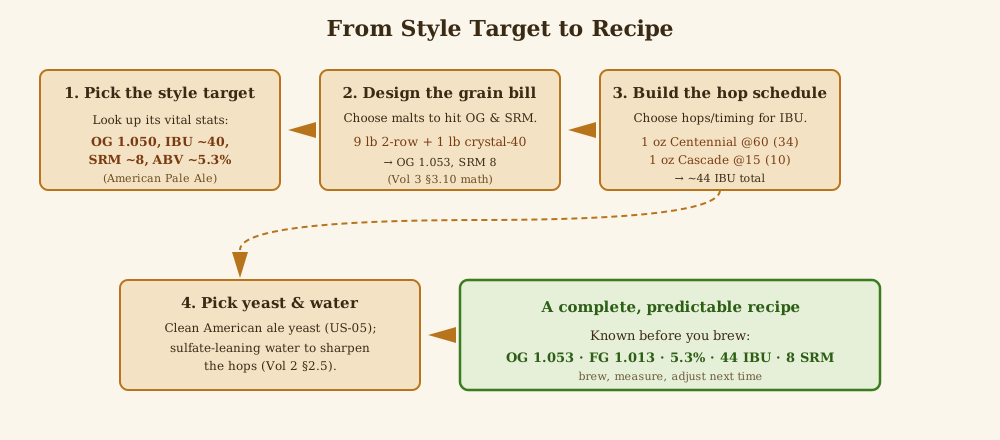
Worked, using the American Pale Ale target (§4.2) and the exact recipe computed in Vol 3 §3.10:
- Pick the target. APA: OG ~1.050, IBU ~40, SRM ~8, ABV ~5.3%.
- Design the grain bill to hit OG and SRM. Mostly base malt for fermentables, a touch of crystal for color and a hint of caramel: 9 lb 2-row + 1 lb crystal-40. The Vol 3 math predicts OG 1.053 and SRM 8 — on target.
- Build the hop schedule to hit IBU and balance. A clean bittering charge plus a late flavor/aroma charge of American hops: 1 oz Centennial @ 60 min (≈34 IBU) + 1 oz Cascade @ 15 min (≈10 IBU) → ~44 IBU.
- Pick yeast and water to match the style. A clean American ale yeast (US-05) lets the malt and hops show; sulfate-leaning water (Vol 2 §2.5) sharpens the hop bitterness for that crisp American-pale finish.
The result is a complete recipe whose OG 1.053, FG 1.013, 5.3% ABV, ~44 IBU, ~8 SRM are all known before brewing. You then brew it, measure what you actually got (especially your system’s efficiency), and adjust next time — the repeatability thread in action. Every other style in this volume is designed the same way: start from the vital-stats row, work backward to ingredients.
4.1.13 Summary: The Style Families at a Glance
Table 11 — 4.13 Summary: The Style Families at a Glance
| Family | OG (typical) | IBU | SRM | ABV | Signature |
|---|---|---|---|---|---|
| Pale ales | 1.040–1.060 | 25–50 | 5–18 | 3.8–6.2% | Balanced malt & hops |
| IPAs | 1.050–1.085 | 40–100+ | 3–14 | 5.5–10% | Hop bitterness & aroma |
| Amber/brown ales | 1.030–1.060 | 10–40 | 10–25 | 2.8–6.2% | Caramel/toasty malt |
| Porters/stouts | 1.036–1.115 | 18–90 | 22–40 | 4.0–12% | Roast (coffee/chocolate) |
| Pale lagers/pils | 1.040–1.060 | 8–45 | 2–6 | 4.2–5.8% | Clean, crisp, pale |
| Amber/dark lagers | 1.046–1.112 | 16–32 | 8–30 | 4.4–10% | Malty, smooth, dark |
| Wheat beers | 1.040–1.055 | 8–30 | 2–6 | 4.0–5.6% | Soft body; yeast/spice |
| Belgian/French ales | 1.048–1.095 | 15–40 | 3–17 | 5.0–10.5% | Expressive yeast, dry |
| Sour/wild ales | 1.028–1.060 | 0–25 | 2–16 | 2.8–8.0% | Lactic/funky acidity |
| Strong/specialty | 1.070–1.130 | 17–100 | 8–25 | 6.5–12% | Intensity; age-worthy |
This completes the foundation. You now know the history (Vol 1), the ingredients (Vol 2), the process and its math (Vol 3), and the styles those combine to make (this volume). The rest of the series is execution — the equipment ladder that takes you from a first stovetop extract batch (Vol 5) to a licensed brewery (Vol 10), brewing the styles surveyed here progressively better at every tier.
Cross-references: vital stats trace to Vol 3 §3.10 (gravity/IBU/SRM math) and Vol 2 (ingredients); the recipe in §4.12 is the one computed in Vol 3 §3.10; the equipment for brewing these styles begins in Vol 5.
Comments (0)